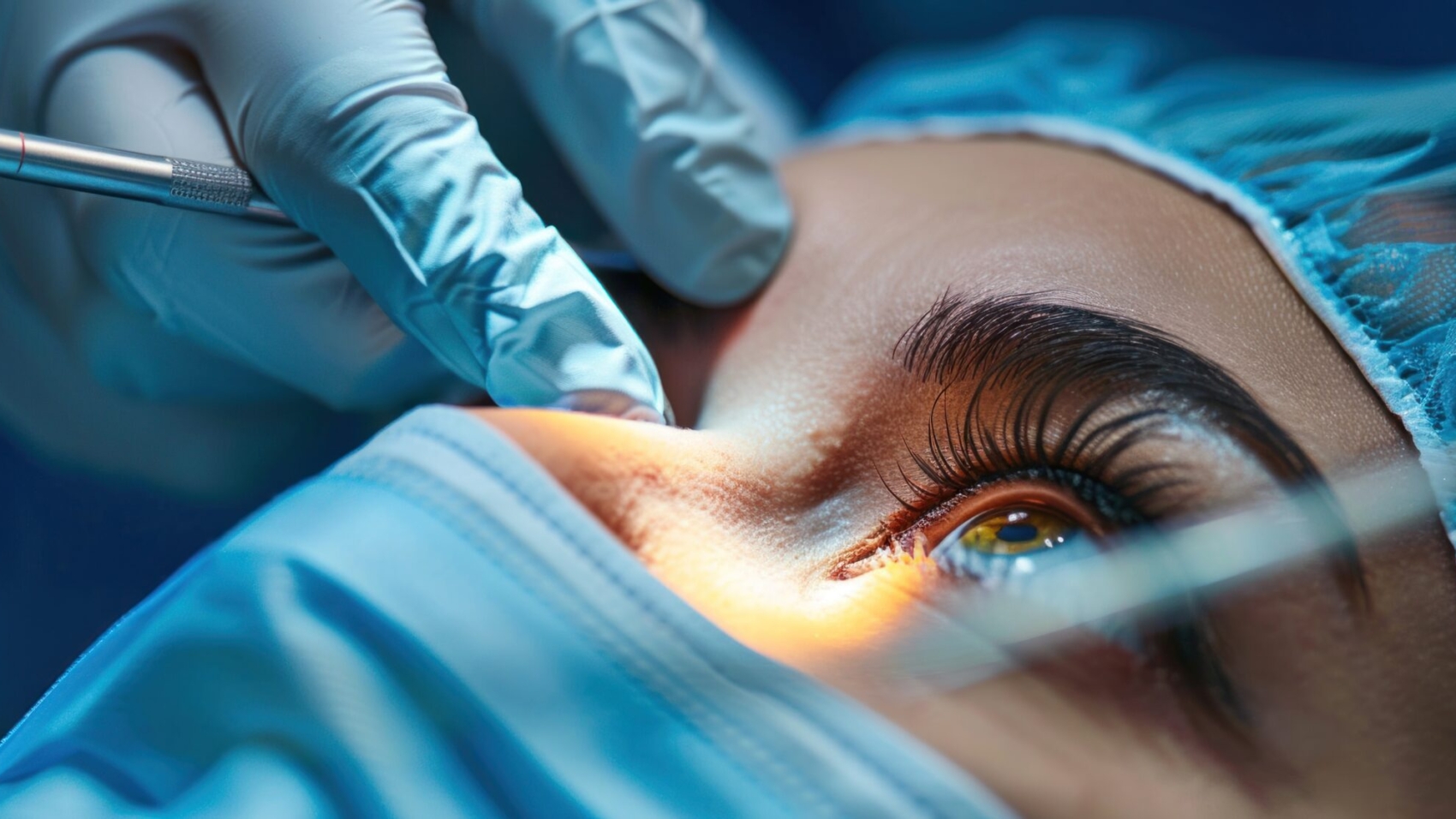
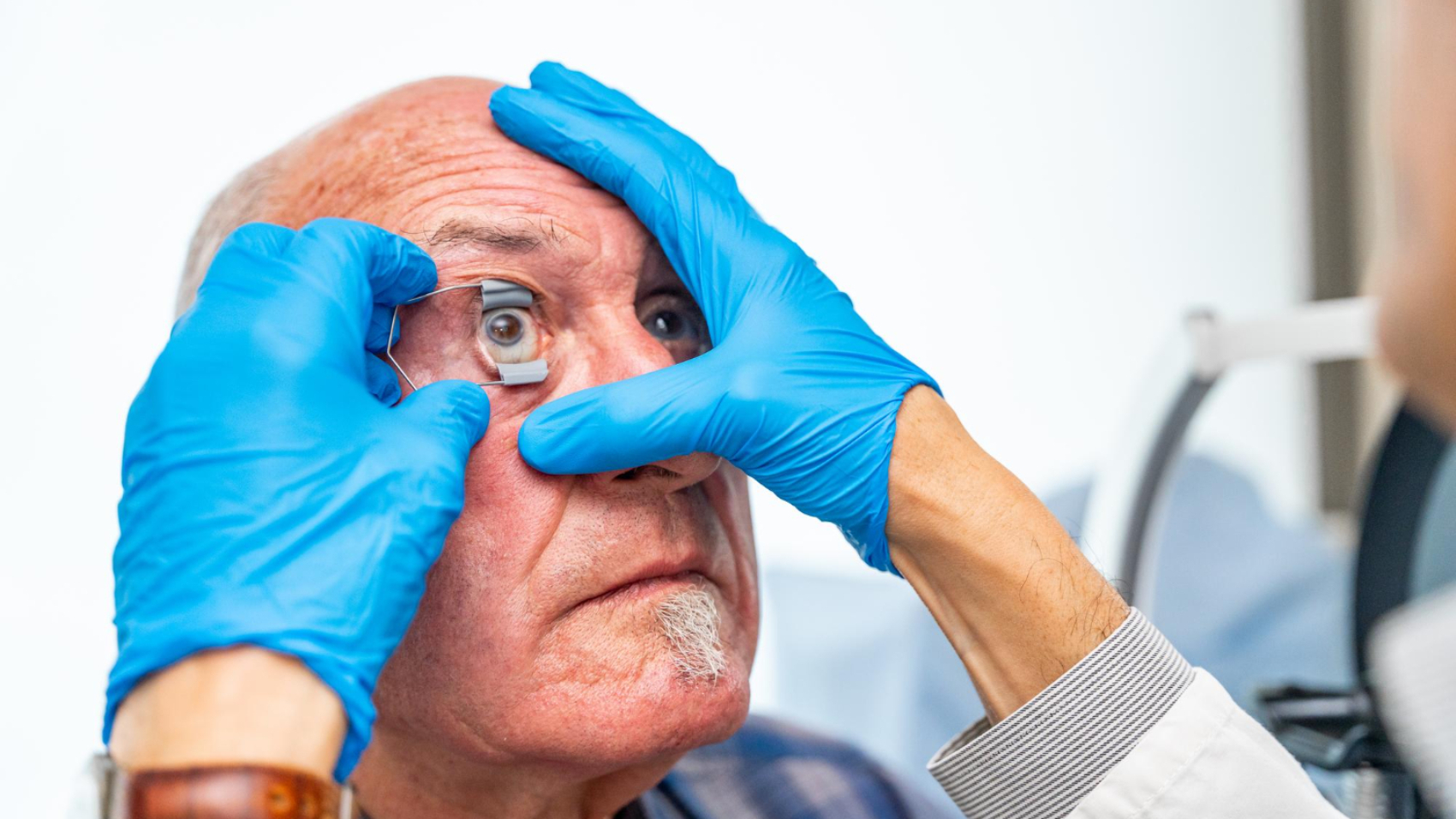
Glaucoma, commonly referred to as Kala Motia (not white cataract/Motia), is one of the leading causes of permanent blindness worldwide. Unlike cataracts, glaucoma damages the optic nerve and the vision loss it causes cannot be reversed. However, with early diagnosis and timely treatment, vision loss can often be prevented Glaucoma (Motia) Treatment & Surgery Specialists in Nikol, Ahmedabad.
If you are searching for Glaucoma (Motia) Treatment & Surgery Specialists in Nikol, Ahmedabad, choosing an experienced ophthalmologist is essential. Modern eye care centers in Nikol offer advanced diagnostic technology, laser treatments, minimally invasive glaucoma surgery (MIGS), and conventional glaucoma surgery to help preserve your eyesight.
In this comprehensive guide, we explain everything you need to know about glaucoma, including its causes, symptoms, diagnosis, treatment options, surgery, and prevention.
What Is Glaucoma (Kala Motia)?
Glaucoma is a group of eye diseases that gradually damage the optic nerve, which carries visual information from your eyes to your brain. The damage is usually caused by increased pressure inside the eye (intraocular pressure), although glaucoma can also occur with normal eye pressure.
The condition develops slowly and often without noticeable symptoms in its early stages. Because vision loss occurs gradually, many people don’t realize they have glaucoma until significant damage has already occurred.
Early diagnosis and regular eye examinations are the best ways to prevent permanent blindness.
Why Early Glaucoma Detection Is Important
One of the biggest challenges with glaucoma is that it is often called the “Silent Thief of Sight.”
In most cases:
- There is no pain.
- Vision appears normal initially.
- Peripheral (side) vision starts decreasing slowly.
- Central vision gets affected only in advanced stages.
Since damaged optic nerves cannot regenerate, vision already lost due to glaucoma cannot be restored. Early diagnosis allows doctors to slow or stop disease progression.
Types of Glaucoma
1. Primary Open-Angle Glaucoma
This is the most common form of glaucoma.
Characteristics include:
- Slow progression
- No pain
- Gradual peripheral vision loss
- Increased eye pressure
Most patients remain unaware until routine eye screening detects the disease.
2. Angle-Closure Glaucoma
This is a medical emergency.
Symptoms include:
- Severe eye pain
- Red eye
- Blurred vision
- Headache
- Nausea
- Seeing rainbow-colored halos around lights
Immediate treatment is required to prevent permanent vision loss.
3. Normal-Tension Glaucoma
Some individuals develop optic nerve damage even with normal eye pressure. Reduced blood supply to the optic nerve is believed to contribute to this condition.
4. Congenital Glaucoma
This rare condition affects infants and young children due to abnormal eye development before birth.
Symptoms include:
- Excessive tearing
- Large eyes
- Light sensitivity
- Cloudy cornea
Early surgery is usually recommended.
5. Secondary Glaucoma
Secondary glaucoma develops because of another medical condition such as:
- Eye injury
- Diabetes
- Steroid medication
- Eye inflammation
- Previous eye surgery
Causes of Glaucoma
Several factors contribute to glaucoma development.
Common causes include:
- Increased eye pressure
- Poor drainage of eye fluid
- Damage to the optic nerve
- Reduced blood supply
- Eye injuries
- Long-term steroid use
- Eye inflammation
Some patients develop glaucoma even with normal eye pressure.
Risk Factors for Glaucoma
You are at higher risk if you:
- Are over 40 years of age
- Have a family history of glaucoma
- Have diabetes
- Have high blood pressure
- Have severe nearsightedness
- Use steroid eye drops for a long time
- Have previous eye injuries
- Have undergone eye surgery
- Have thin corneas
People with these risk factors should schedule comprehensive eye examinations regularly.
Symptoms of Glaucoma
Early glaucoma usually has no symptoms.
As the disease progresses, patients may notice:
- Blurred vision
- Tunnel vision
- Difficulty seeing at night
- Loss of side vision
- Frequent change in spectacle power
- Eye pain (in acute glaucoma)
- Headache
- Redness
- Halos around lights
- Nausea and vomiting (acute glaucoma)
Any sudden vision changes require immediate medical attention.
How Is Glaucoma Diagnosed?
Modern eye hospitals in Nikol, Ahmedabad use advanced technology for accurate diagnosis.
Eye Pressure Measurement (Tonometry)
Measures intraocular pressure.
Optic Nerve Examination
Evaluates optic nerve damage.
Visual Field Test
Detects peripheral vision loss.
OCT Scan (Optical Coherence Tomography)
Provides detailed images of optic nerve fibers.
Gonioscopy
Examines the drainage angle of the eye.
Corneal Thickness Test
Measures corneal thickness to improve eye pressure assessment.
Routine screening helps detect glaucoma before symptoms appear.
Glaucoma Treatment Options
Although glaucoma cannot be cured, treatment can effectively control the disease and prevent further vision loss.
Treatment depends on:
- Severity
- Eye pressure
- Age
- Type of glaucoma
- Overall eye health
Eye Drops for Glaucoma
Prescription eye drops are usually the first treatment.
These medications:
Patients should use medications exactly as prescribed.
Oral Medications
If eye drops are insufficient, doctors may prescribe oral medications to temporarily reduce eye pressure.
Laser Treatment for Glaucoma
Laser procedures are effective for many glaucoma patients.
Common laser treatments include:
Laser Trabeculoplasty
Improves drainage in open-angle glaucoma.
Laser Peripheral Iridotomy
Used for angle-closure glaucoma by creating a small opening in the iris.
Laser treatment is generally:
- Quick
- Safe
- Minimally invasive
- Performed on an outpatient basis
Glaucoma Surgery
When medications and laser treatment cannot control eye pressure, surgery may be recommended.
Common procedures include:
Trabeculectomy
Creates a new drainage pathway for eye fluid.
Benefits include:
- Long-term pressure control
- Reduced dependence on medications
- Better protection of the optic nerve
Glaucoma Drainage Devices
Tiny drainage tubes help remove excess fluid.
These are suitable for advanced glaucoma cases.
Minimally Invasive Glaucoma Surgery (MIGS)
MIGS is becoming increasingly popular because it offers:
- Smaller incisions
- Faster recovery
- Lower complication rates
- Reduced discomfort
It is especially useful in mild to moderate glaucoma and may be combined with cataract surgery.
Recovery After Glaucoma Surgery
Recovery usually takes several weeks.
Patients should:
- Use prescribed eye drops
- Avoid heavy lifting
- Wear protective eye shields
- Attend follow-up visits
- Avoid rubbing the eye
- Follow doctor’s instructions carefully
Proper postoperative care helps achieve the best outcome.
Can Glaucoma Be Prevented?
Although glaucoma cannot always be prevented, early detection greatly reduces the risk of vision loss.
Helpful preventive measures include:
- Annual comprehensive eye examinations
- Controlling diabetes and blood pressure
- Avoiding unnecessary steroid use
- Protecting eyes from injuries
- Following prescribed glaucoma treatment
- Maintaining a healthy lifestyle
Regular screening is especially important after the age of 40.
Why Choose a Glaucoma Specialist in Nikol, Ahmedabad?
Choosing an experienced glaucoma specialist ensures accurate diagnosis and personalized treatment.
Leading eye hospitals in Nikol offer:
- Advanced glaucoma screening
- Experienced ophthalmologists
- Modern diagnostic equipment
- OCT imaging
- Computerized visual field testing
- Laser glaucoma treatment
- Advanced glaucoma surgery
- Minimally invasive surgical options
- Comprehensive follow-up care
- Affordable treatment plans
Expert care helps protect vision and improve long-term eye health.
Frequently Asked Questions About Glaucoma
Is glaucoma curable?
No. Glaucoma cannot be cured, but early treatment can control the disease and prevent further vision loss.
Is glaucoma painful?
Most forms of glaucoma are painless. Acute angle-closure glaucoma, however, can cause severe pain and requires emergency treatment.
Can glaucoma cause blindness?
Yes. If left untreated, glaucoma can lead to permanent blindness.
Is glaucoma hereditary?
Yes. A family history significantly increases the risk of developing glaucoma.
Can glaucoma be detected early?
Yes. Comprehensive eye examinations, including eye pressure measurement and optic nerve evaluation, can detect glaucoma before symptoms develop.
Is glaucoma surgery safe?
Modern glaucoma surgery is generally safe and effective when performed by experienced eye surgeons.
How often should I get screened?
Adults over 40 or those with risk factors should undergo regular comprehensive eye examinations as advised by their eye doctor.
Conclusion
Glaucoma is a serious eye condition that can silently damage your vision if left untreated. Fortunately, early diagnosis, advanced diagnostic tools, modern medications, laser procedures, and surgical treatments can effectively control the disease and preserve eyesight.
If you or a family member are experiencing vision problems or have risk factors such as diabetes, high eye pressure, or a family history of glaucoma, schedule a comprehensive eye examination with experienced Glaucoma (Kala Motia) Treatment & Surgery Specialists in Nikol, Ahmedabad. Timely care can make the difference between preserving your vision and irreversible vision loss.
SEO Keywords
- Glaucoma Treatment in Nikol Ahmedabad
- Glaucoma Specialist in Nikol
- Best Glaucoma Doctor in Ahmedabad
- Glaucoma Surgery in Ahmedabad
- Kala Motia Treatment Ahmedabad
- Eye Hospital in Nikol Ahmedabad
- Laser Glaucoma Treatment
- Glaucoma Eye Surgery
- Advanced Glaucoma Care
- Optic Nerve Treatment Ahmedabad
- Eye Pressure Treatment
- Glaucoma Diagnosis Ahmedabad
- MIGS Surgery Ahmedabad
- Eye Specialist in Nikol
- Glaucoma Screening Ahmedabad
Note: In medical terminology, “Motia” commonly refers to cataract (white motia), while glaucoma is known as “Kala Motia” in many parts of India. Using the term “Glaucoma (Kala Motia)” is more accurate and helps avoid confusion for patients.