
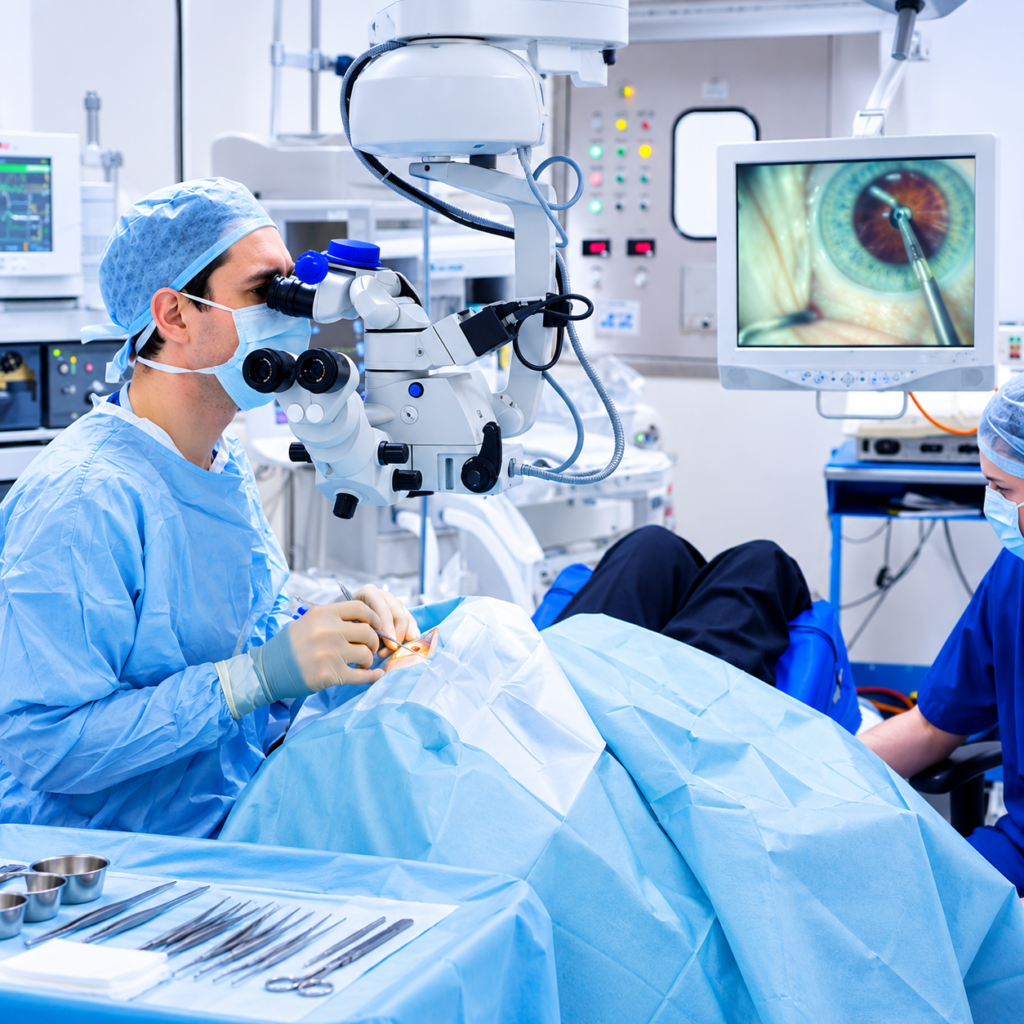
Neuro-Ophthalmology is a specialized branch of eye care that focuses on vision problems related to the brain, optic nerve, and the nerves controlling eye movements. At The Eye Center, our neuro-ophthalmology specialists diagnose and manage complex conditions that affect both the eyes and the nervous system, helping patients preserve their vision and overall eye health.

Neuro-ophthalmic disorders may result from conditions such as optic neuritis, optic neuropathy, double vision (diplopia), eye movement disorders, visual field defects, papilledema, and neurological diseases. Common symptoms include sudden or gradual vision loss, double vision, blurred vision, pain during eye movement, drooping eyelids, abnormal pupil reactions, and persistent headaches. Early diagnosis is essential, as these symptoms may indicate serious neurological or systemic conditions.

At The Eye Center, we use advanced diagnostic technology, detailed eye examinations, visual field testing, optic nerve imaging, and close collaboration with neurologists when needed to identify the underlying cause accurately. Based on the diagnosis, treatment may include medications, vision rehabilitation, or coordinated neurological care.

The Eye Center Specialist
OUR TEAM

THE EYE CENTER SPECIALIST

Dr. Sonal Patel

MS Gold Medalist, DNB, FICO

Dr. Shachi Desai

MS, DNB, FURS, FAICO, FICO

Dr. Deep Joshi

MS, FICO Cataract & Glaucoma Surgeon
What is Neuro Ophthalmology?

Neuro Ophthalmology is a specialized branch of medicine that focuses on vision problems related to the brain, optic nerves, and nervous system. It diagnoses and treats conditions that affect both vision and neurological function.Lorem ipsum dolor sit amet, consectetur adipiscing elit. Ut elit tellus, luctus nec ullamcorper mattis, pulvinar dapibus leo.

Yes. Conditions such as multiple sclerosis, stroke, brain tumors, Parkinson’s disease, and other neurological disorders can significantly affect vision and eye movements.

Not all conditions are preventable, but maintaining good overall health, controlling diabetes and blood pressure, protecting your eyes, and seeking prompt medical attention for vision changes can reduce the risk of complications.

Early diagnosis helps identify potentially serious neurological conditions, preserves vision, improves treatment outcomes, and reduces the risk of permanent vision loss or neurological complications.