
ChatGPT Image Jul 21, 2026, 02_08_34 PM

Diabetic Retinopathy is a serious eye condition caused by damage to the blood vessels of the retina due to prolonged high blood sugar levels. It is one of the leading causes of vision loss among people with diabetes. In its early stages, diabetic retinopathy may not cause noticeable symptoms, making regular eye examinations essential for early detection and timely treatment. If left untreated, the condition can progress and lead to severe vision impairment or blindness.

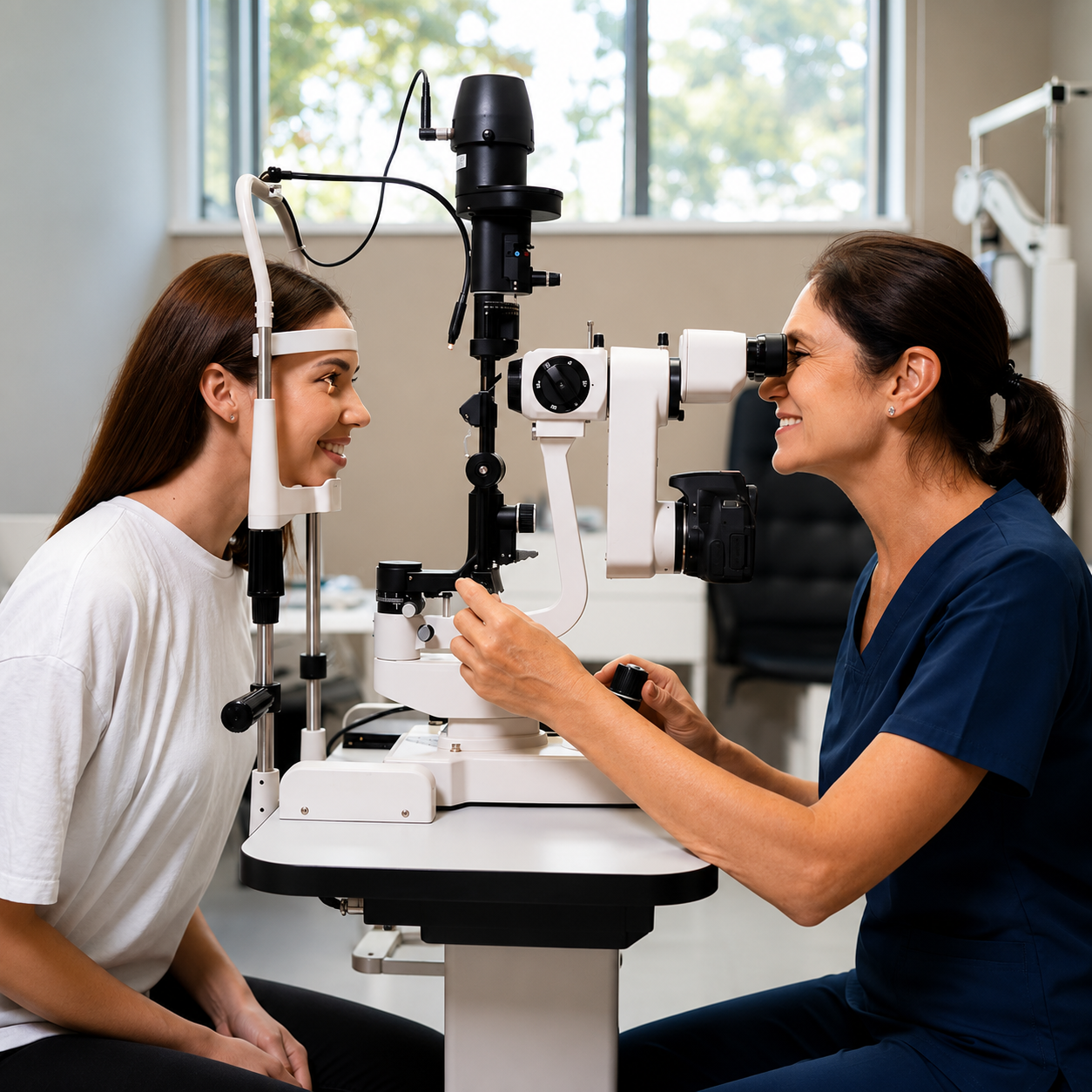
At our eye care center, we provide comprehensive diabetic eye screening using advanced diagnostic technologies, including retinal imaging, Optical Coherence Tomography (OCT), and fluorescein angiography when required. Our experienced retina specialists create personalized treatment plans based on the stage of the disease. Treatment options may include blood sugar management, intravitreal anti-VEGF injections, laser photocoagulation, or vitrectomy surgery for advanced cases.

Maintaining healthy blood sugar, blood pressure, and cholesterol levels plays a crucial role in preventing the progression of diabetic retinopathy. Annual comprehensive dilated eye examinations are strongly recommended for all individuals with diabetes, even if no vision problems are present.

The Eye Center Specialist
OUR TEAM

THE EYE CENTER SPECIALIST

Dr. Sonal Patel

MS Gold Medalist, DNB, FICO

Dr. Shachi Desai

MS, DNB, FURS, FAICO, FICO

Dr. Deep Joshi

MS, FICO Cataract & Glaucoma Surgeon
Who is at risk of developing diabetic retinopathy?

Anyone with Type 1 or Type 2 diabetes is at risk. The risk increases with poor blood sugar control, long-standing diabetes, high blood pressure, high cholesterol, and smoking.

Yes. Early diabetic retinopathy often has no symptoms, which is why regular dilated eye examinations are essential.

There is no complete cure, but early diagnosis and timely treatment can slow disease progression and help preserve vision.

While it may not always be completely preventable, maintaining good diabetes control and having regular eye screenings can significantly reduce the risk of vision loss.